

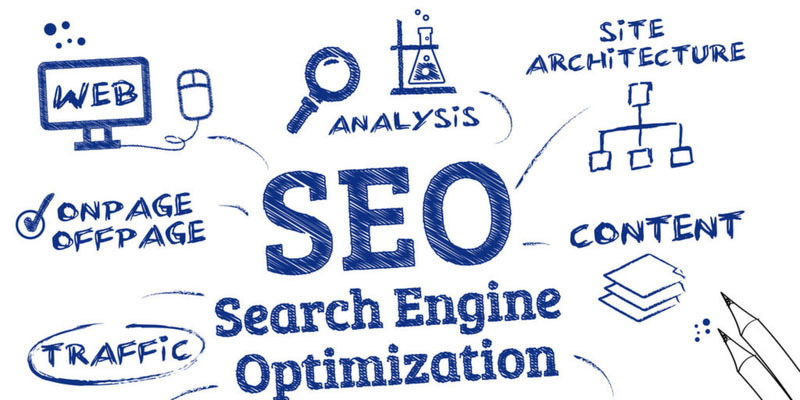
SEO is not a set of “magic meta tags,” but work on search accessibility, page relevance, content quality, and internal structure. Start by asking whether a search engine can find, understand, and index the required page.
1. Title, H1, and Description
The title and H1 should clearly describe the page topic in the language your audience uses to search. A meta description does not guarantee a specific snippet, but a good description helps communicate the page’s value to users.
2. URL and Canonical
Use stable, understandable URLs. If identical or very similar content is available at multiple addresses, canonical helps indicate the preferred version. Do not use canonical as a substitute for proper redirects when a page has actually moved.
3. Internal Links
Links between thematically related pages help users and search engines understand the site structure. Anchor text should explain where the link leads rather than use an abstract “learn more.”
4. Sitemap and robots.txt
An XML sitemap helps surface important URLs, especially on a new or large site. Robots.txt controls crawling, but it is not a reliable mechanism for removing a page from the index.
5. Structured Data
Schema.org markup gives search engines additional context. For articles, Article or BlogPosting is appropriate with a headline, dates, author, and image. The markup should match what is actually visible on the page.
6. Content and Experience
Google recommends people-first content: the material should fully address the reader’s task, show clear authorship, and not be created solely to capture search queries.
Sources: Google Search Essentials and Helpful Content guidance.